
Enhance Your Potato Flakes Production with Expert Guidance from a Potato Flakes Production Expert

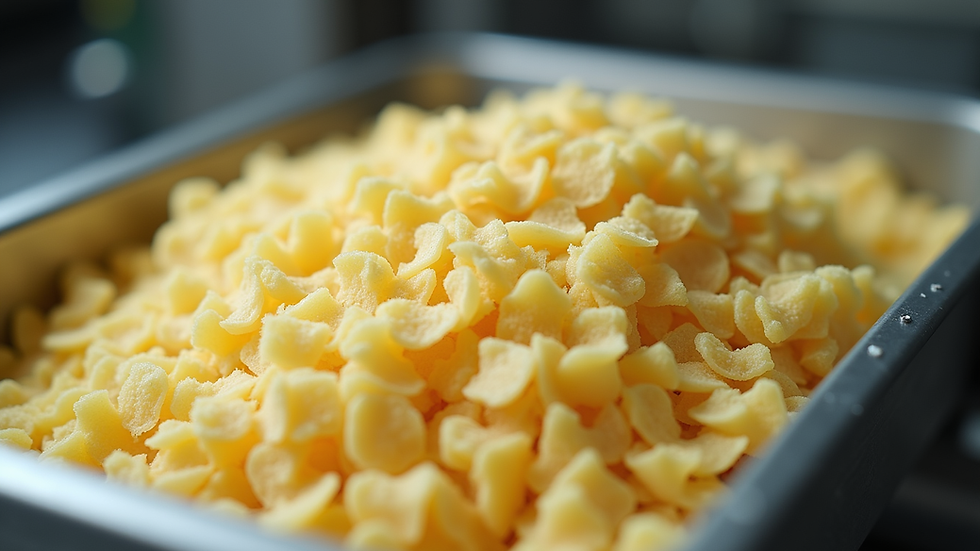
Potato flakes are a versatile ingredient widely used in the food industry. Their convenience, long shelf life, and ease of use make them a popular choice for manufacturers. However, producing high-quality potato flakes requires precise processes and expert knowledge. As a potato flakes production expert, I will share practical insights and guidance to help you optimise your production line, improve product quality, and increase efficiency.
Understanding the Role of a Potato Flakes Production Expert
A potato flakes production expert brings specialised knowledge to the manufacturing process. This expertise covers every stage, from raw material selection to packaging. The expert’s role is to ensure that the production process is efficient, cost-effective, and produces consistent, high-quality flakes.
Key responsibilities include:
Advising on the best potato varieties for flake production
Designing and optimising processing lines
Implementing quality control measures
Troubleshooting production issues
Training staff on best practices
For businesses looking to improve or establish their potato flakes production, consulting a potato flakes consultant can provide tailored solutions based on industry standards and regional market demands.

How a Potato Flakes Production Expert Can Improve Your Process
Engaging with a potato flakes production expert can transform your manufacturing capabilities. Here are some specific ways an expert can enhance your production:
1. Raw Material Selection and Preparation
The quality of potato flakes starts with the raw potatoes. An expert will recommend varieties with the right starch content and moisture levels. Proper washing, peeling, and slicing techniques are also critical to maintain quality and reduce waste.
2. Optimising Cooking and Drying
Cooking potatoes to the correct temperature and time ensures the starch gelatinises properly. Drying is equally important to achieve the desired moisture content in the flakes. An expert can help calibrate equipment and adjust parameters to avoid undercooking or over-drying.
3. Flaking and Sieving Techniques
The flaking process affects the texture and rehydration properties of the final product. Experts advise on the best flaking equipment and settings. Sieving removes oversized or undersized particles, ensuring uniformity.
4. Quality Control and Packaging
Maintaining consistent quality requires regular testing for moisture, texture, and microbial safety. Packaging must protect the flakes from moisture and contamination. An expert can recommend suitable packaging materials and methods.
5. Cost Efficiency and Waste Reduction
By analysing the entire production line, an expert identifies areas to reduce energy consumption, minimise raw material loss, and improve labour productivity. This leads to lower production costs and higher profitability.

Do They Still Make Potato Flakes?
Potato flakes remain a relevant and widely produced product in the food industry. Despite the availability of fresh potatoes and other processed forms, potato flakes offer unique advantages:
Convenience: Easy to store and transport without refrigeration.
Versatility: Used in snacks, instant mashed potatoes, bakery products, and more.
Shelf Life: Long-lasting compared to fresh potatoes.
Cost-Effectiveness: Lower transportation and storage costs.
Manufacturers continue to invest in potato flakes production due to these benefits. Advances in processing technology and expert guidance have also improved product quality and expanded applications.
Practical Recommendations for Setting Up or Optimising Potato Flakes Production
If you are planning to start or improve your potato flakes production, consider the following actionable steps:
Conduct a Feasibility Study
Analyse market demand and competition.
Calculate initial investment and operating costs.
Identify potential suppliers and customers.
Choose the Right Equipment
Select machinery suitable for your production scale.
Ensure equipment allows precise control of cooking, drying, and flaking.
Consider energy-efficient and easy-to-maintain options.
Develop Standard Operating Procedures (SOPs)
Document each step of the production process.
Include quality control checkpoints.
Train staff thoroughly on SOPs.
Implement Quality Assurance Systems
Regularly test raw materials and finished products.
Monitor moisture content, texture, and microbial safety.
Use feedback to continuously improve processes.
Collaborate with Experts
Engage a potato flakes consultant for customised advice.
Attend industry workshops and training sessions.
Stay updated on technological advancements.
Future Trends in Potato Flakes Production
The potato flakes industry is evolving with new trends that manufacturers should consider:
Sustainability: Reducing water and energy use, and managing waste responsibly.
Automation: Increasing use of automated systems for consistency and efficiency.
Product Innovation: Developing new flavours, organic options, and fortified flakes.
Global Market Expansion: Exploring export opportunities and adapting to regional preferences.
By staying informed and adopting expert recommendations, manufacturers can maintain a competitive edge and meet changing consumer demands.
Enhancing Your Production with Expert Support
Improving potato flakes production is a complex task that benefits greatly from expert involvement. A potato flakes production expert provides the knowledge and experience needed to optimise every stage of the process. Whether you are starting a new facility or upgrading an existing one, expert guidance can help you achieve:
Higher product quality
Greater operational efficiency
Reduced costs and waste
Compliance with food safety standards
For tailored support, consider consulting a potato flakes consultant who specialises in this field. Their expertise can help you navigate challenges and implement best practices effectively.
By investing in expert advice and continuous improvement, your potato flakes production can reach new levels of success and reliability.


Comments